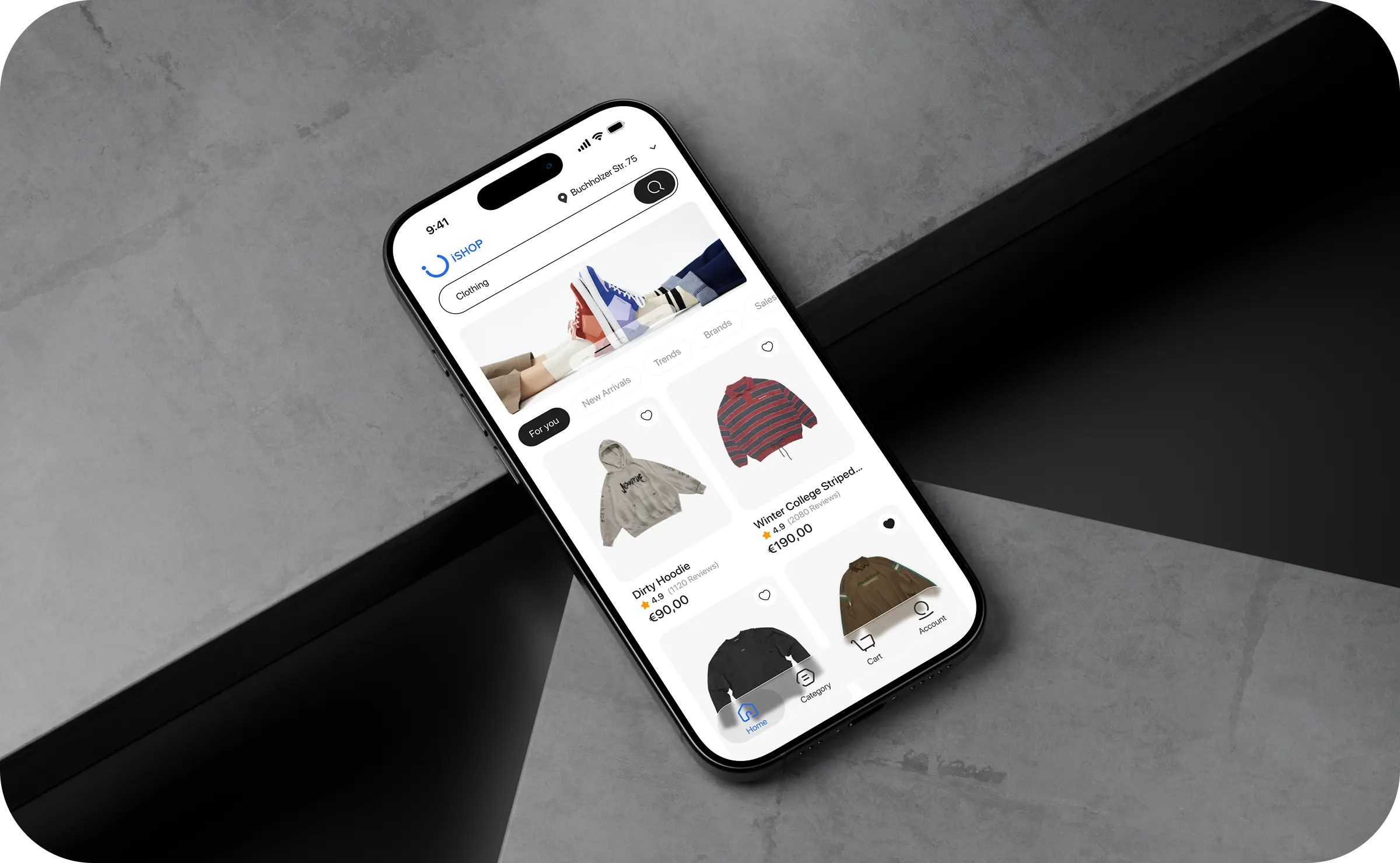
iShop is a scalable e-commerce platform that empowers merchants to build distinctive storefronts while delivering a seamless and high-conversion shopping experience.


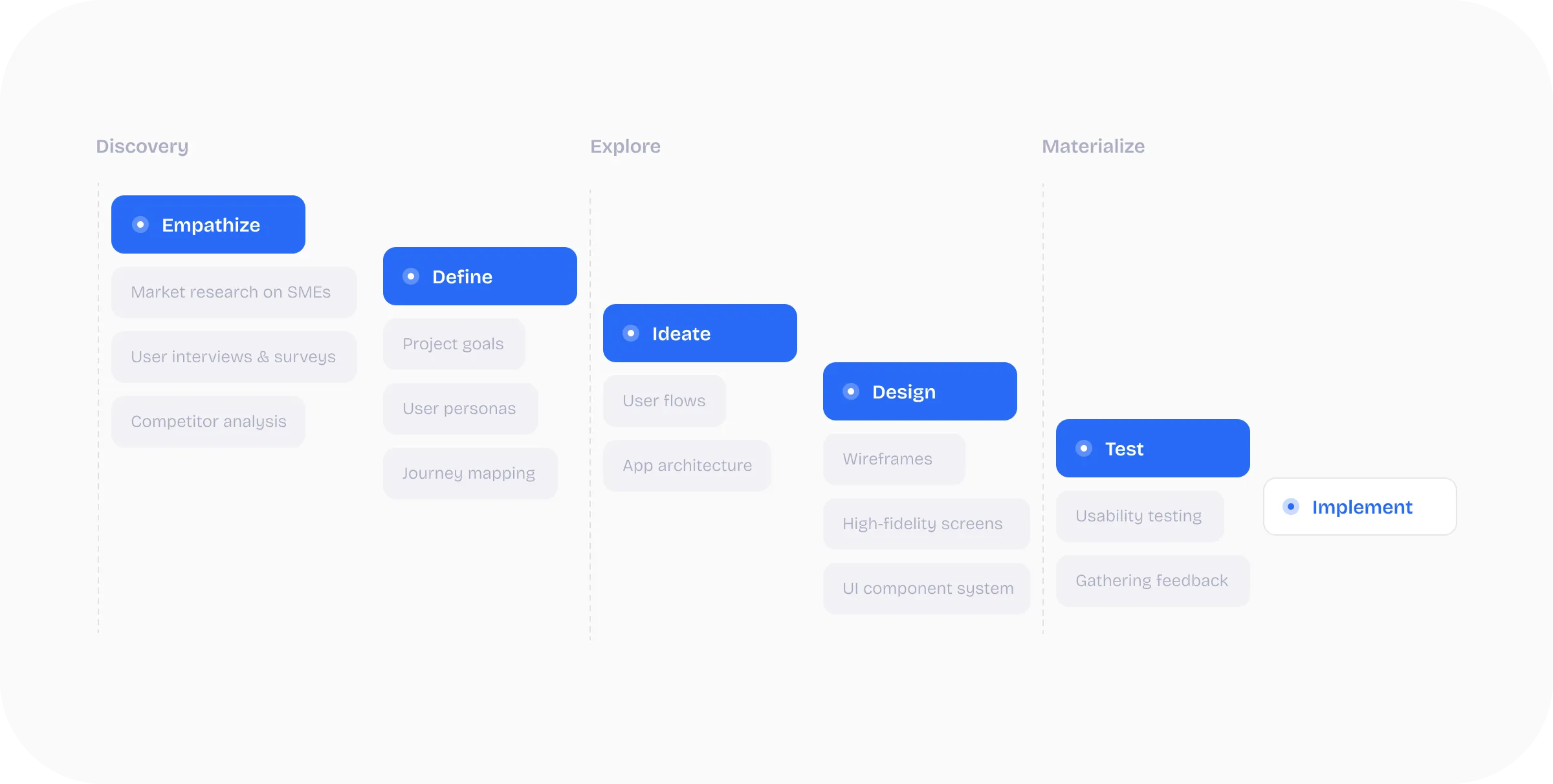
The core challenge was balancing two opposing user needs: merchants want creative flexibility, while consumers demand speed and simplicity.
User interviews and market research identified several key challenges faced by both merchants and consumers within the current e-commerce landscape.
Generic layouts leave little room for differentiation. Most templates prioritize function over identity.
Keyword-only search leaves users without style guidance. Complex flows then drive abandonment before purchase.
Store setup requires technical knowledge most merchants don't have. Dependency on developers slows time-to-market.
Components decouple structure from style, letting each storefront look distinct. Consistent patterns keep the system scalable.
iAsk surfaces products by intent, not just search terms. One-tap checkout then removes friction at the final step.
A guided setup gets stores live without writing code. Merchants stay focused on selling, not configuring.
Based on user interviews and market research, three core personas were identified to represent the primary users of the platform: merchants, small business owners, and consumers.

A sense of ownership, professional pride, and the need for market differentiation.

Confidence in self-management, speed-to-market, and operational autonomy.

Security, convenience, and the joy of a frictionless discovery-to-purchase flow.

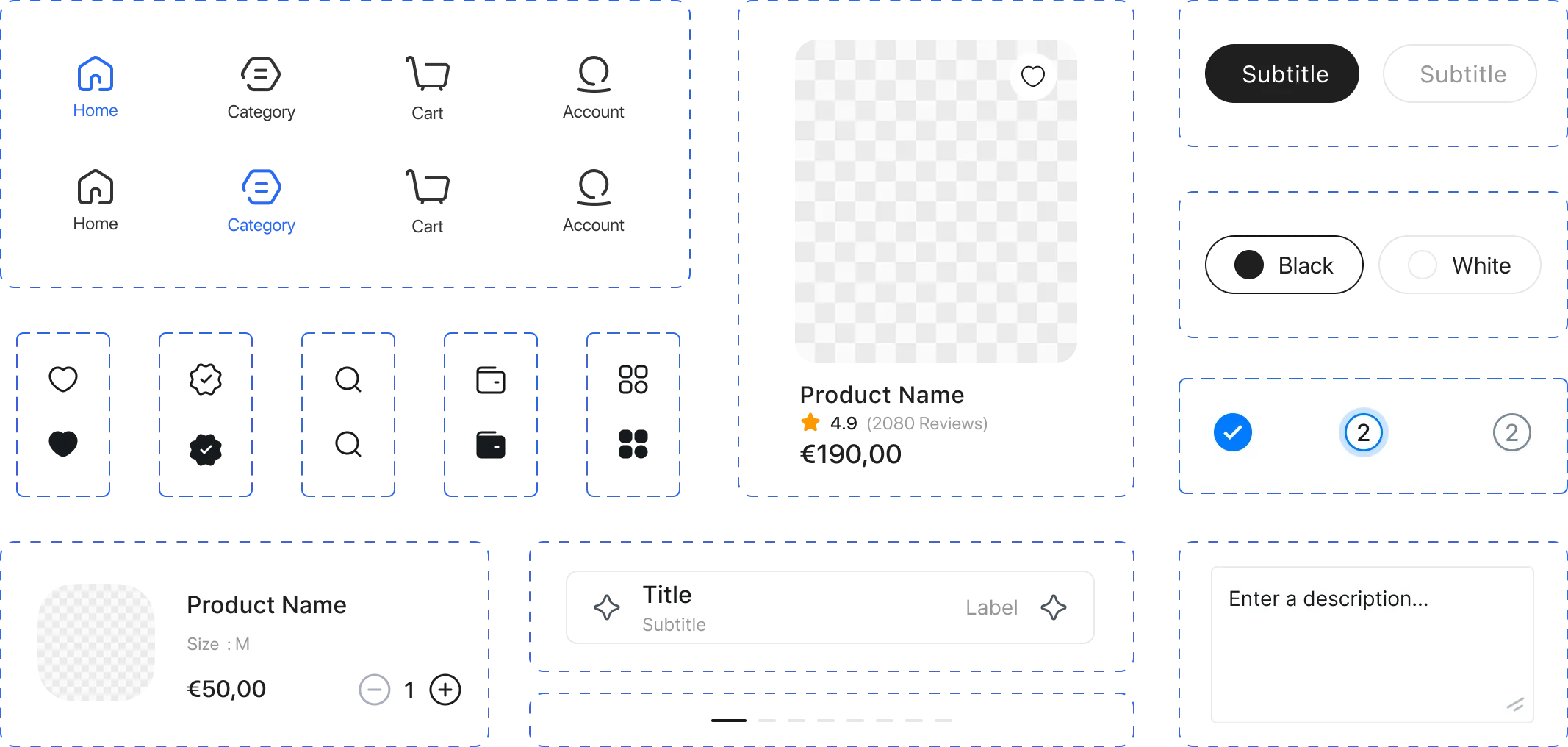
Built for multi-tenant scalability, this modular UI kit supports rapid deployment while maintaining visual consistency. Standardized components—including buttons, forms, and product cards—reduce design overhead and enable flexible storefront configuration.

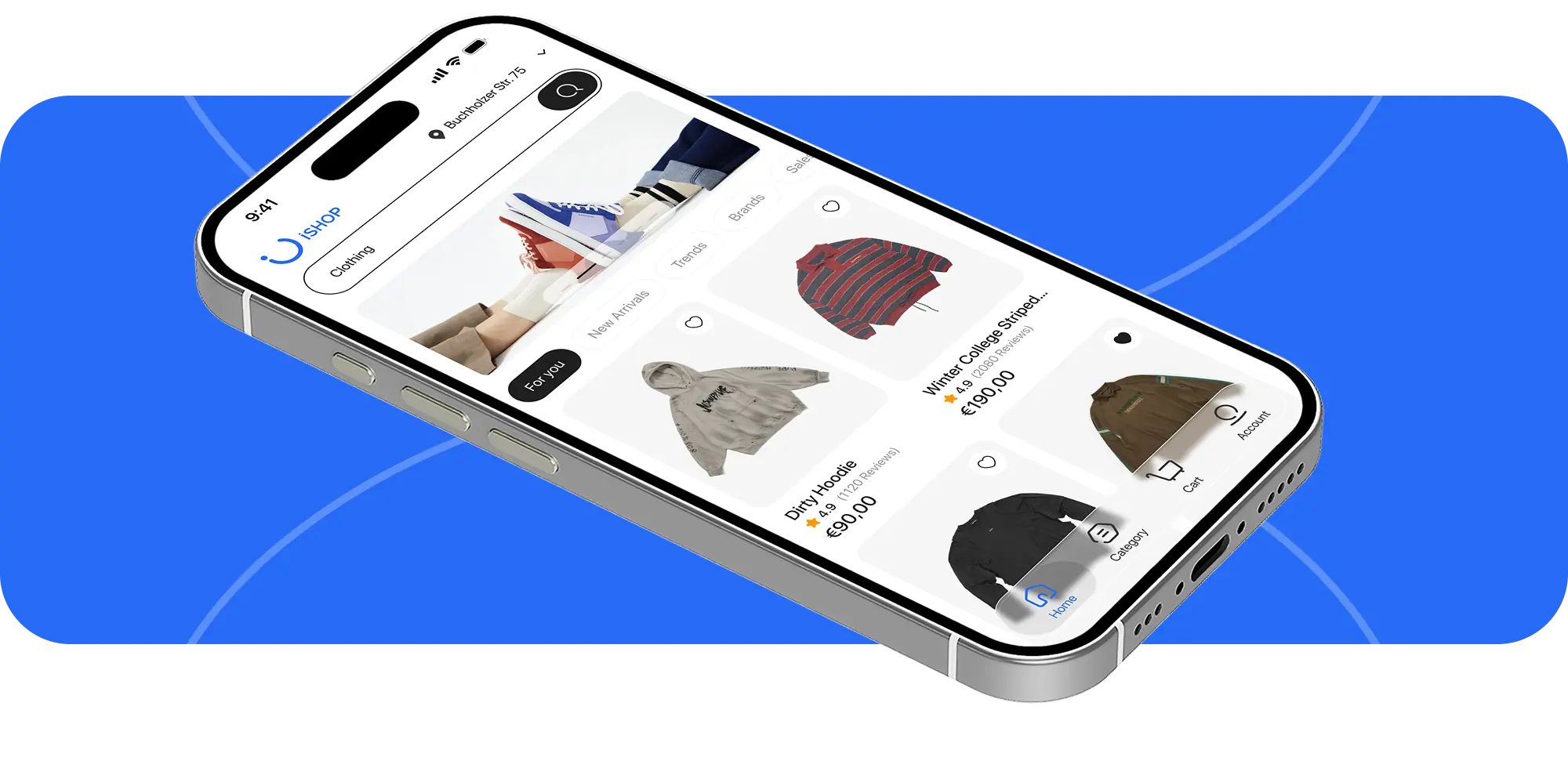
The homepage is structured to prioritize product discovery. A prominent search interface and contextual category filters reduce friction, enabling a seamless transition from landing to active browsing.
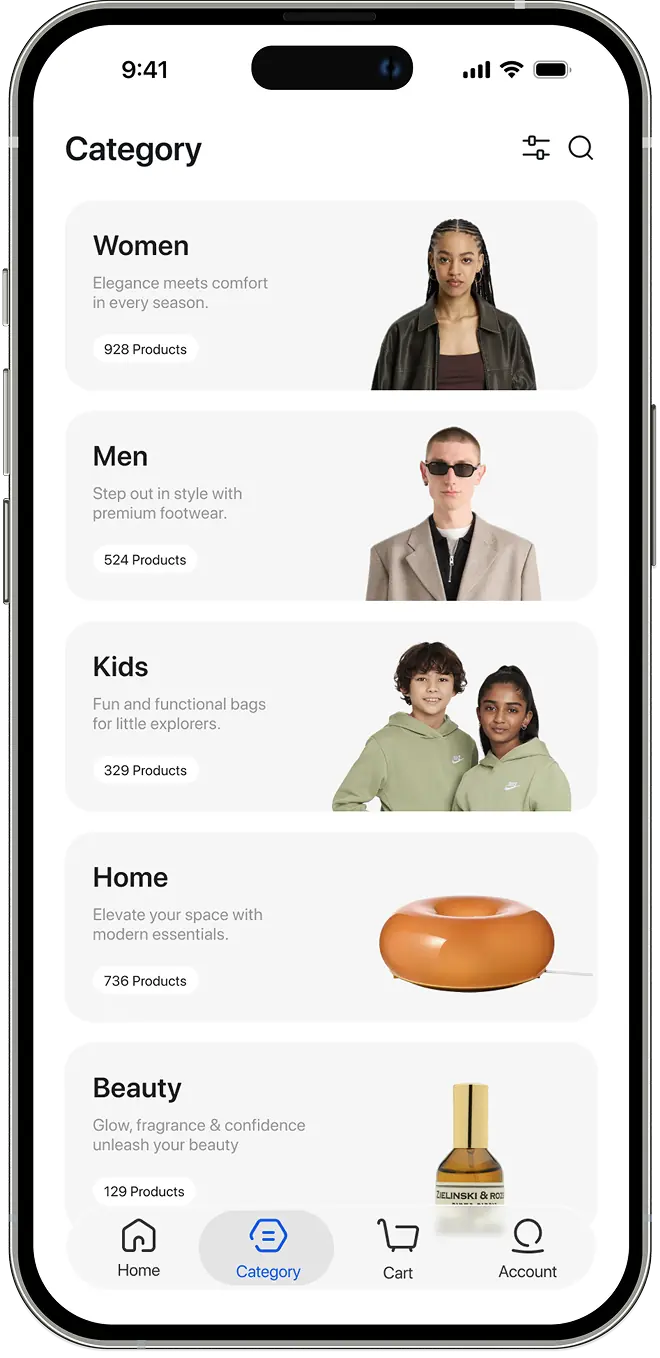
To help users navigate large inventories efficiently, the category system combines structured entry points with flexible filtering options. This reduces decision fatigue and shortens the path to purchase.
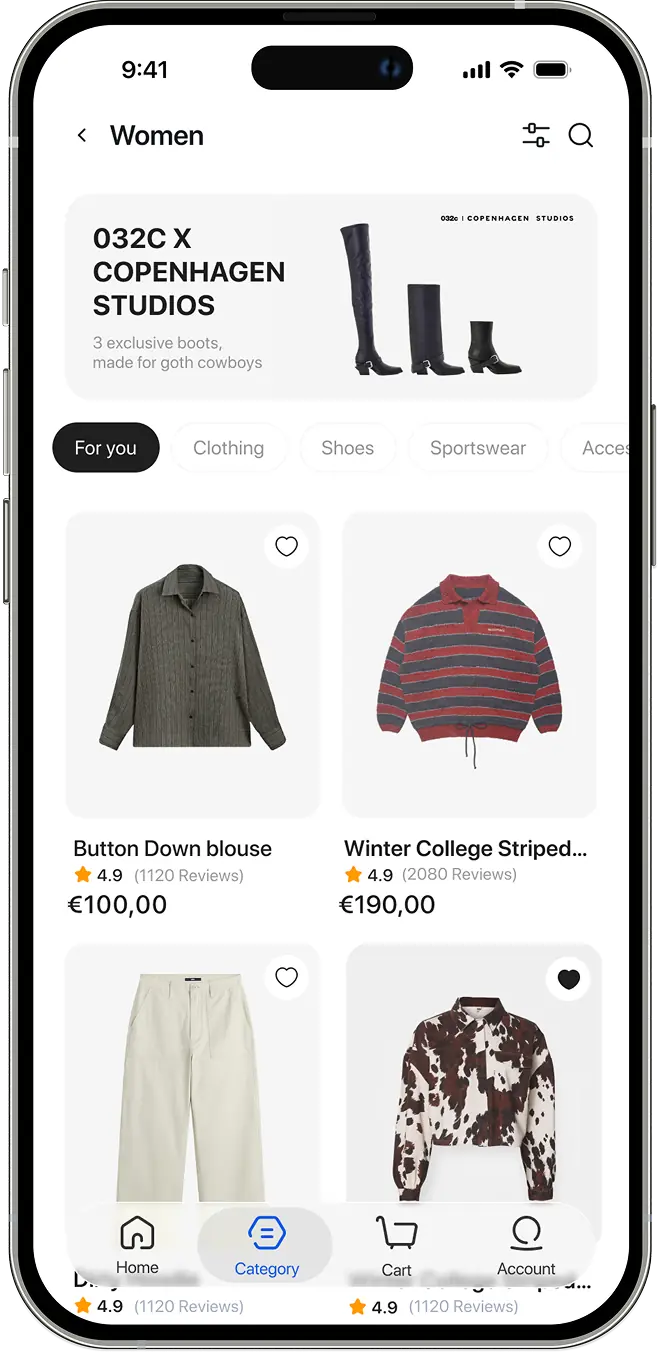
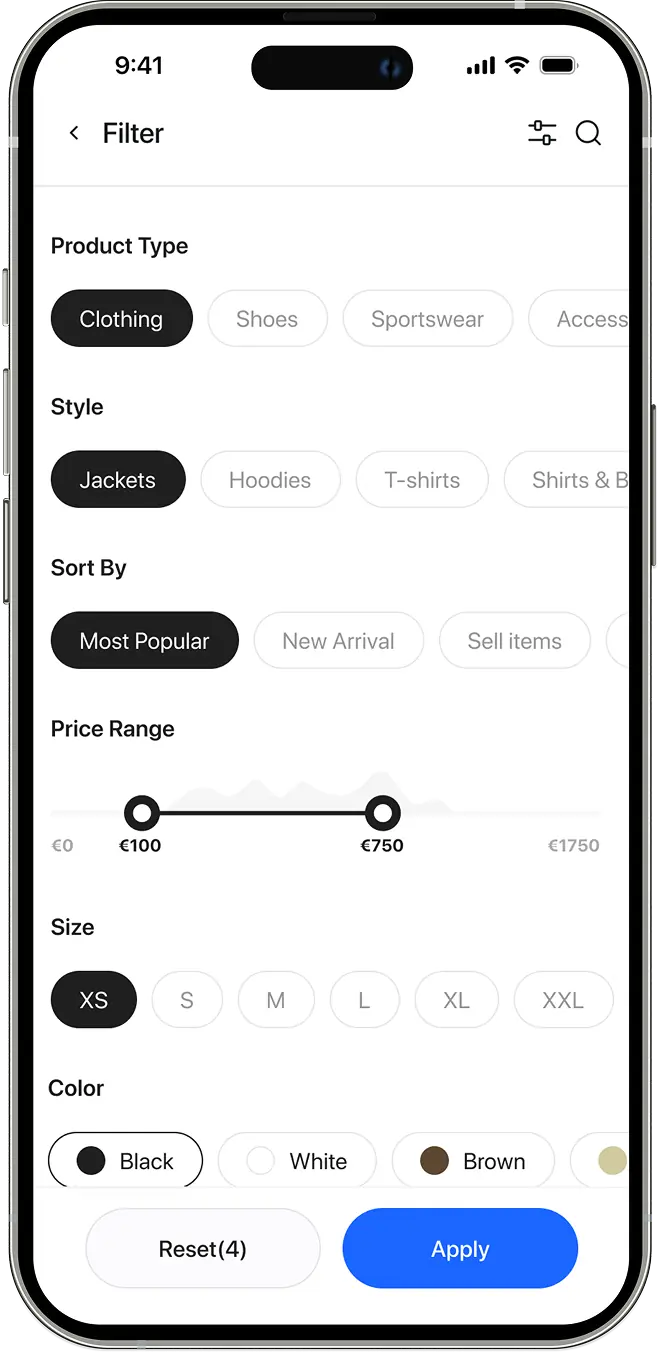
The product detail page accelerates decision-making and reinforces trust. Key information is prioritized, while social proof and fulfillment transparency reduce hesitation. A "Buy Now" shortcut supports high-intent purchases.
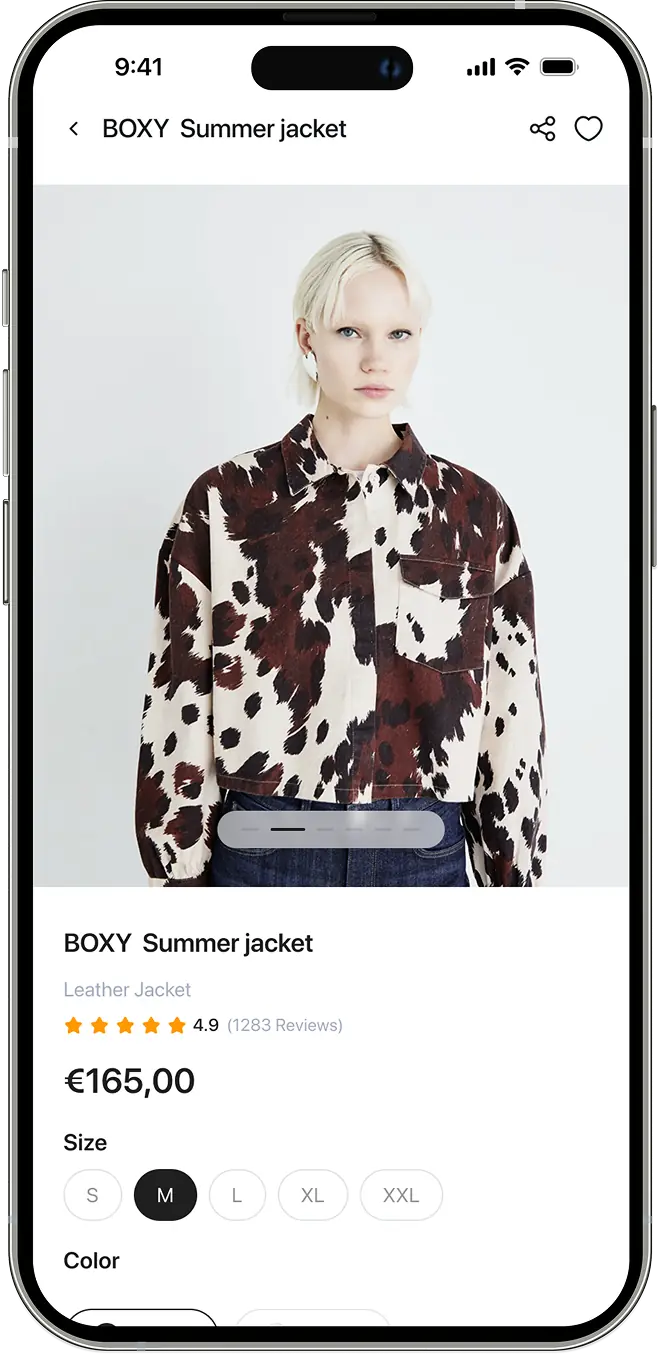
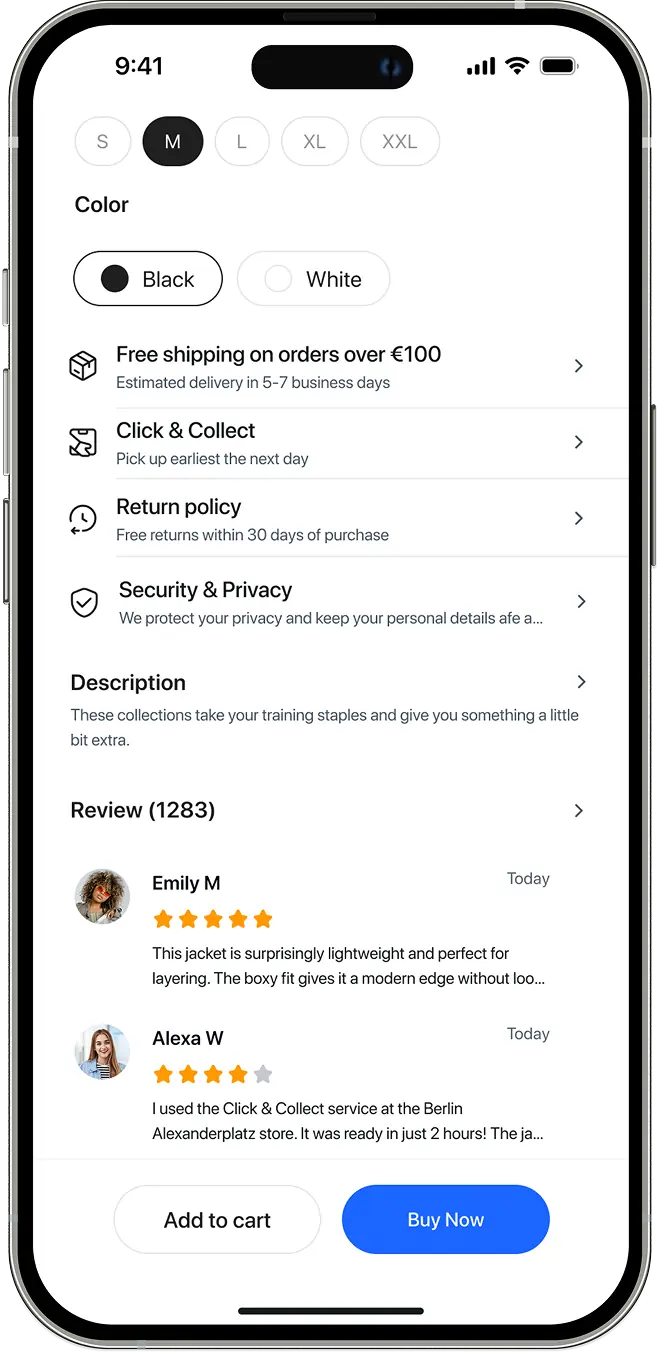
Optimized for Faster Decisions

Security & Privacy
Social Proof via Real User Feedback

A conversational AI embedded in the shopping journey that drives conversion by turning intent into purchase-ready recommendations. It surfaces high-relevance products, balances personalization with business goals, and intelligently promotes inventory to optimize sell-through.
Surfaces complementary picks for items users already own, increasing outfit completion rates and average basket size.
Assembles full looks from a single prompt, driving multi-item purchases while aligning with user style preferences.
Converts open-ended requests into high-confidence picks, prioritizing relevance and sell-through for targeted inventory.
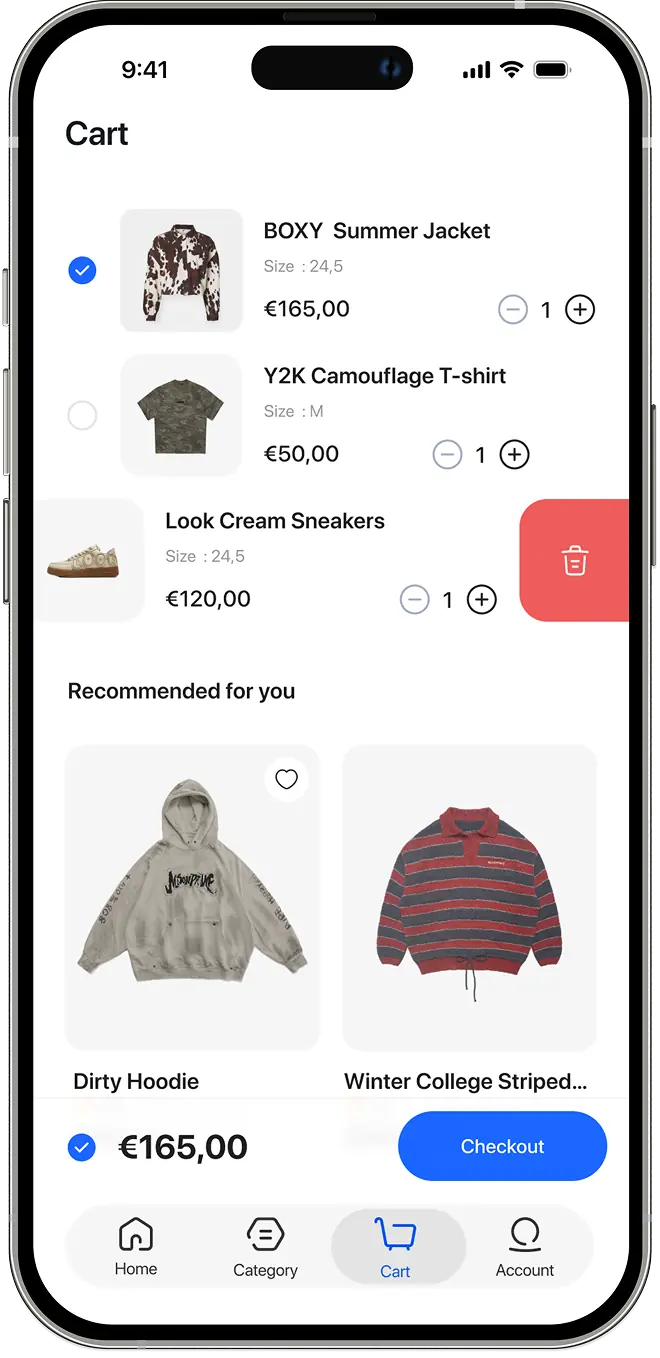
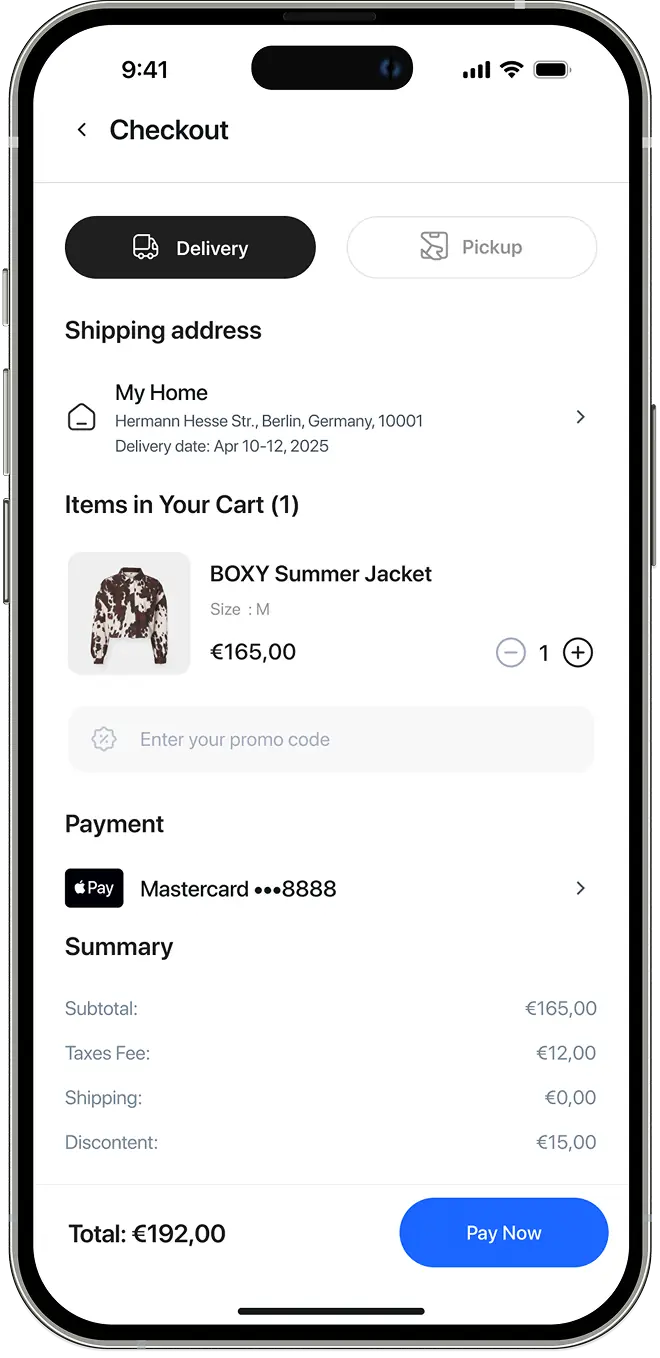
The cart prioritizes clarity and momentum, enabling effortless item management while supporting cross-sell opportunities. An adaptive Delivery/Pickup toggle preserves flexibility, while express payment options such as Apple Pay reduce friction and accelerate transactions.
From finding a nearby store to completing a pickup order, the flow removes the friction between browsing online and collecting in person.
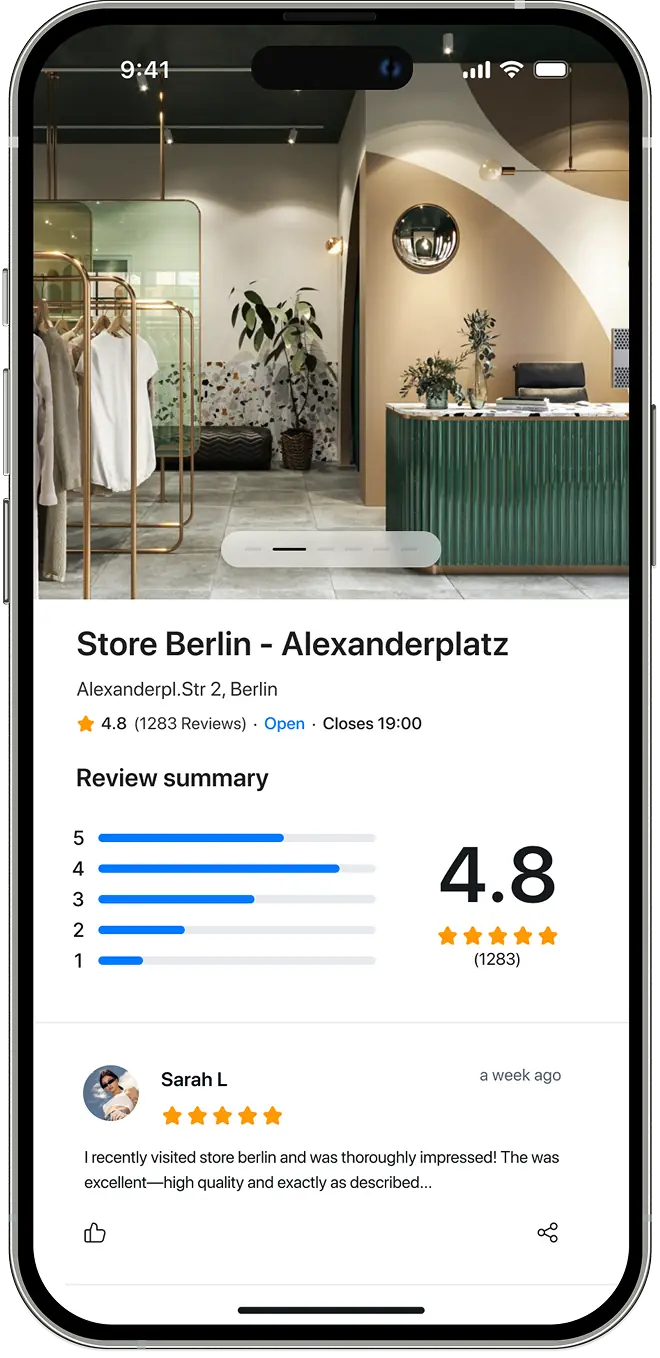
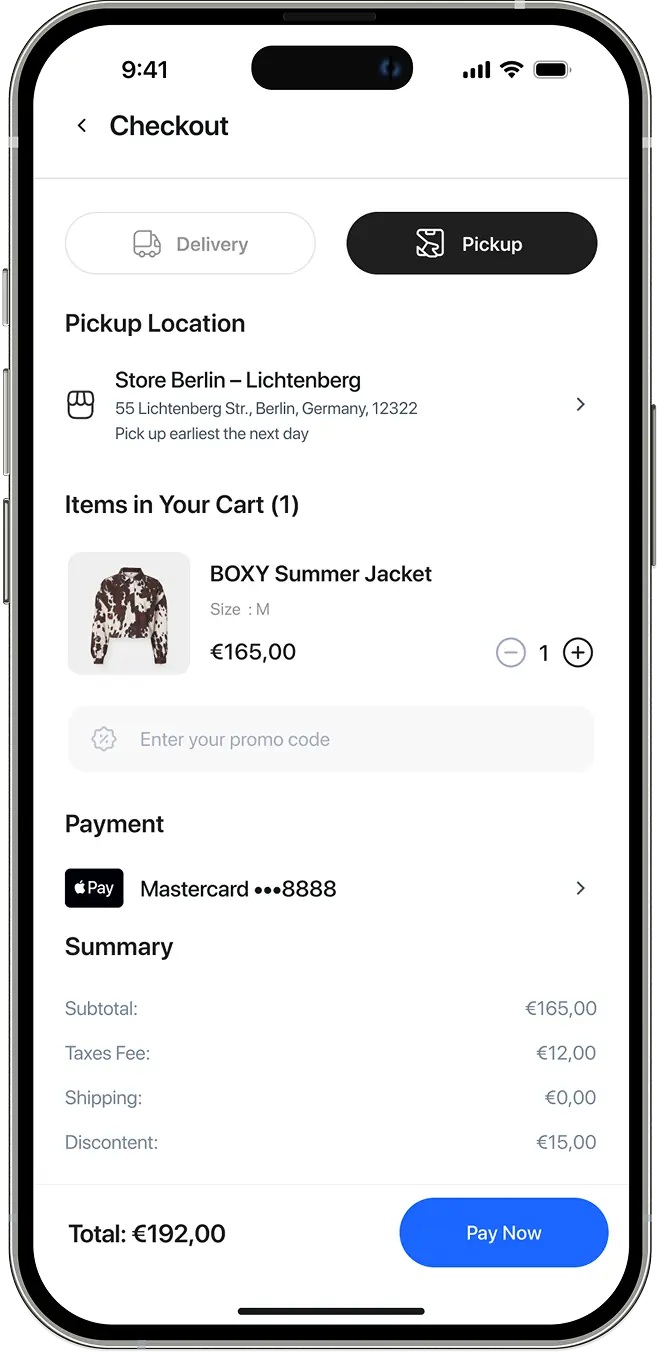
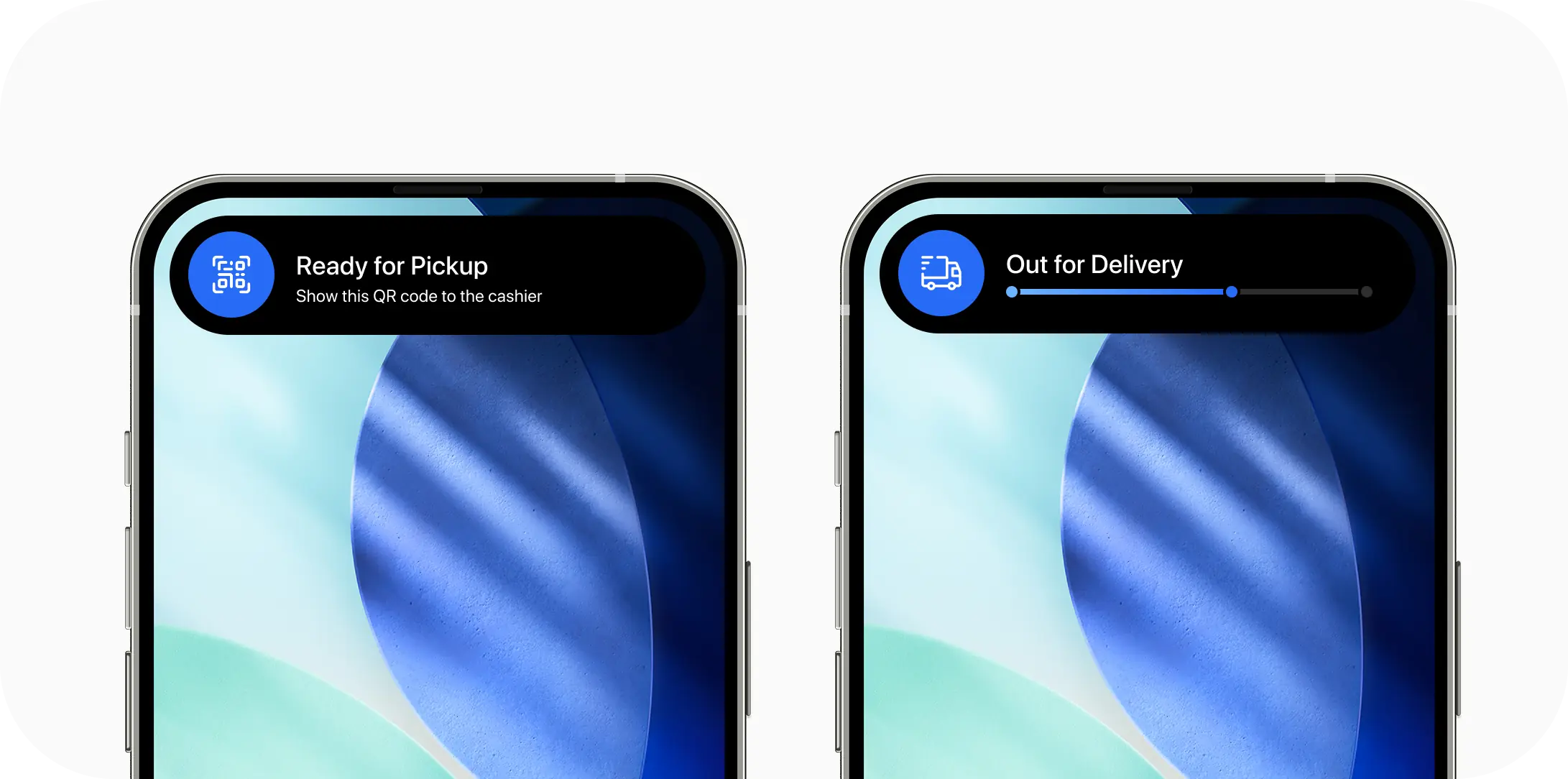
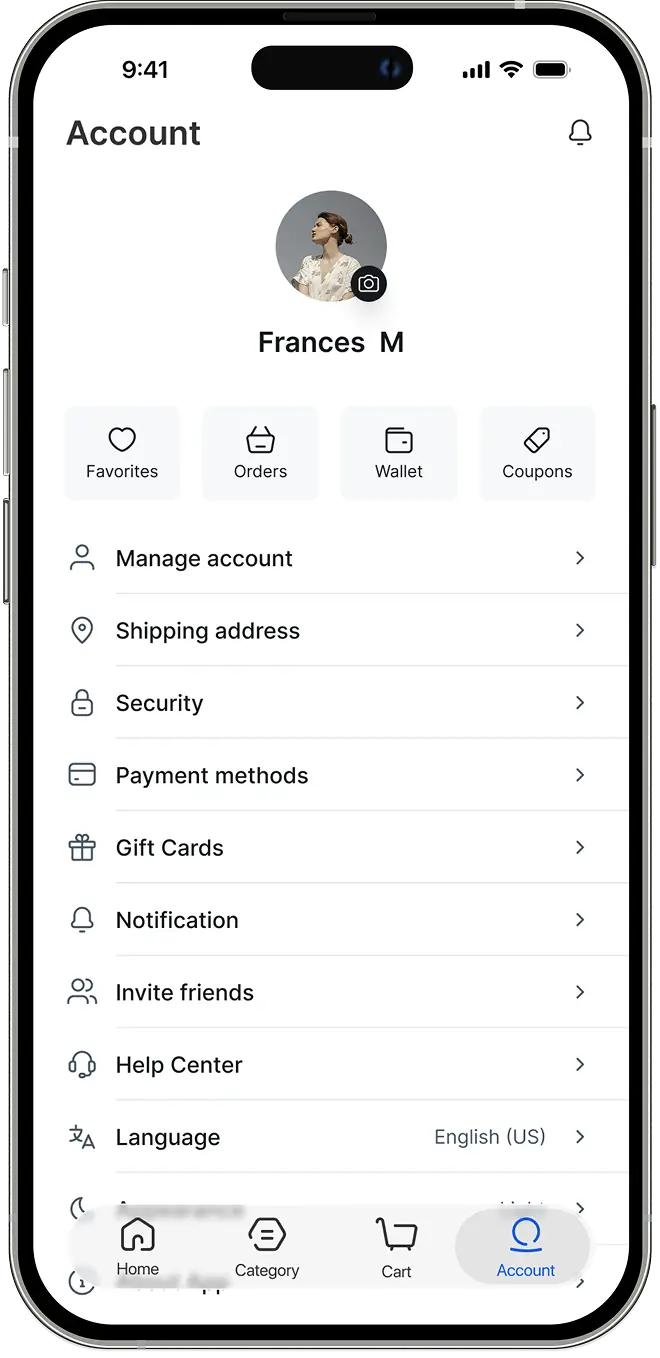
The centralized profile interface that consolidates user assets, order history, and system preferences for effortless management, while providing a direct gateway to tailored tracking—featuring live maps for delivery and secure QR codes for pickup.
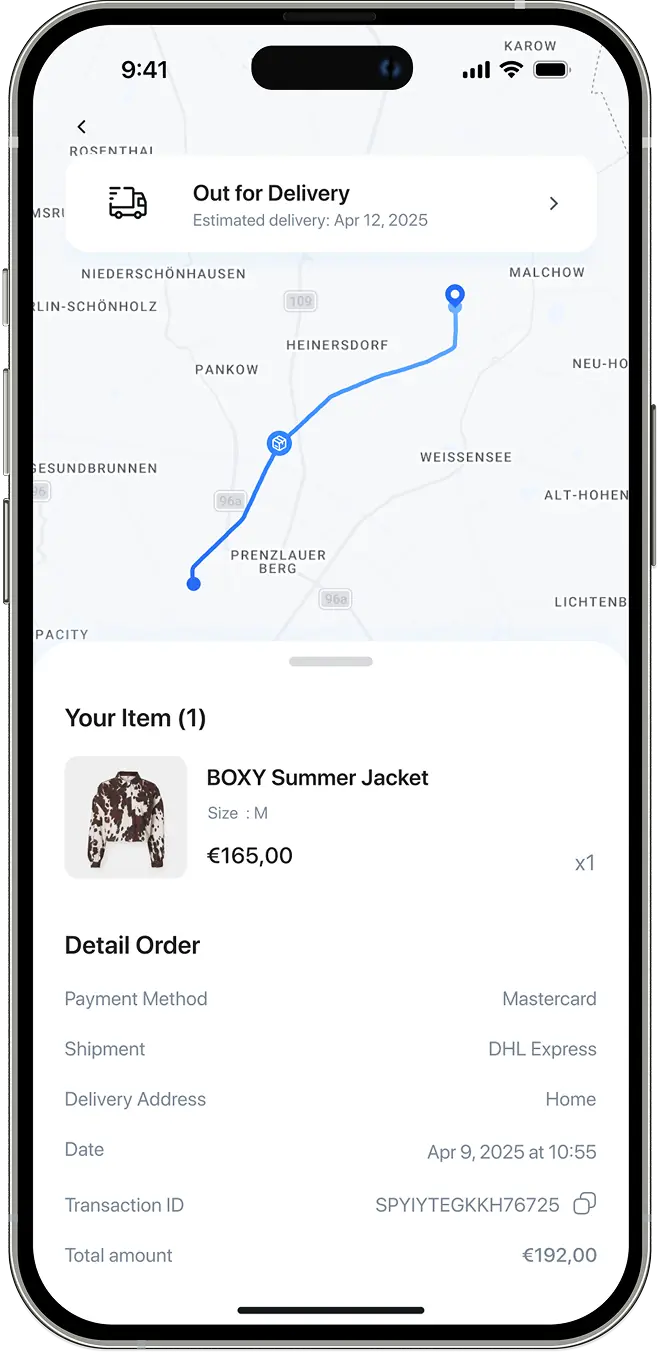
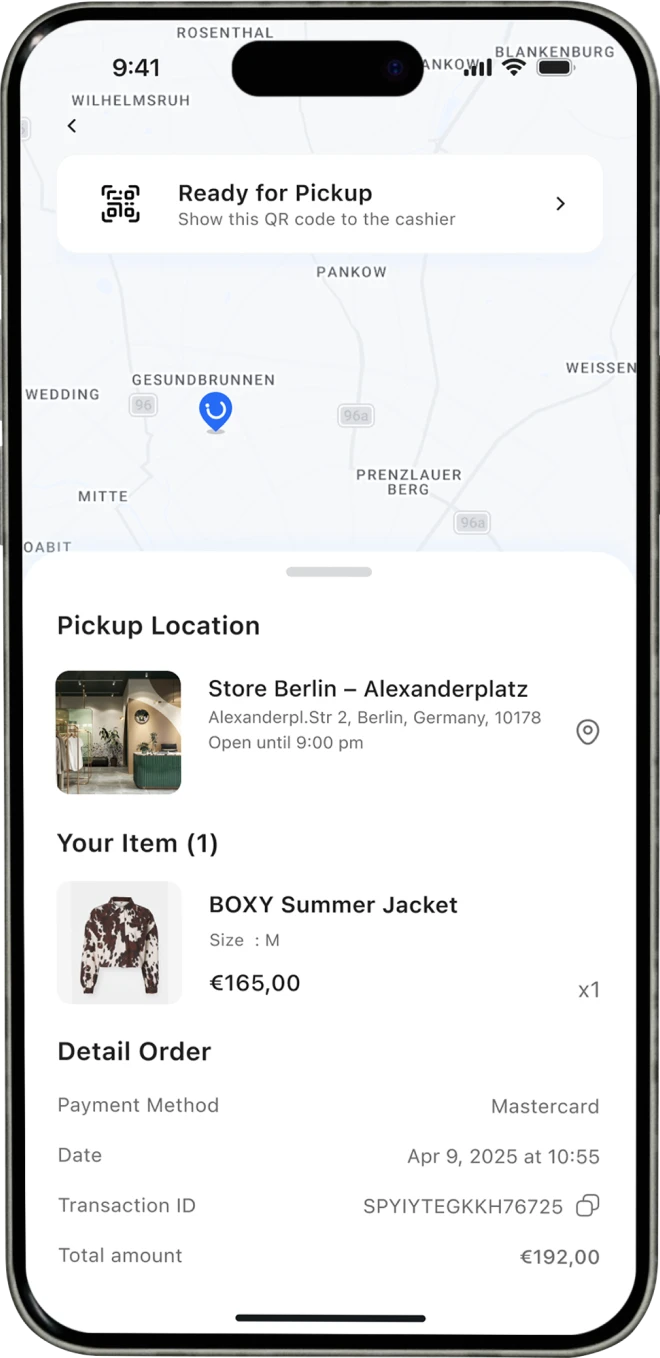
The system implements Dynamic Island notifications to provide ambient, real-time status updates for both delivery and pickup progress.
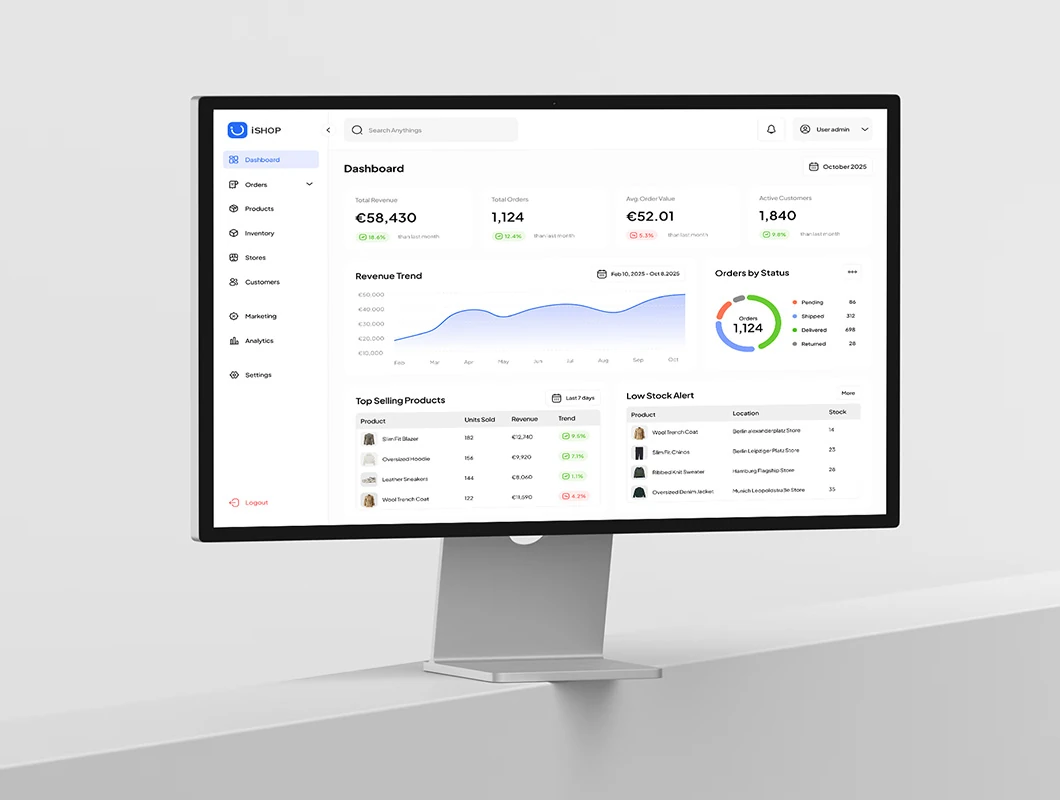
Take a look at the admin side of iSHOP — a fragmented retail back-office redesigned into a unified operations platform, bringing orders, inventory, customers, and stores into one cohesive interface.
To B · Web App · Admin Dashboard
Admin Redesign